
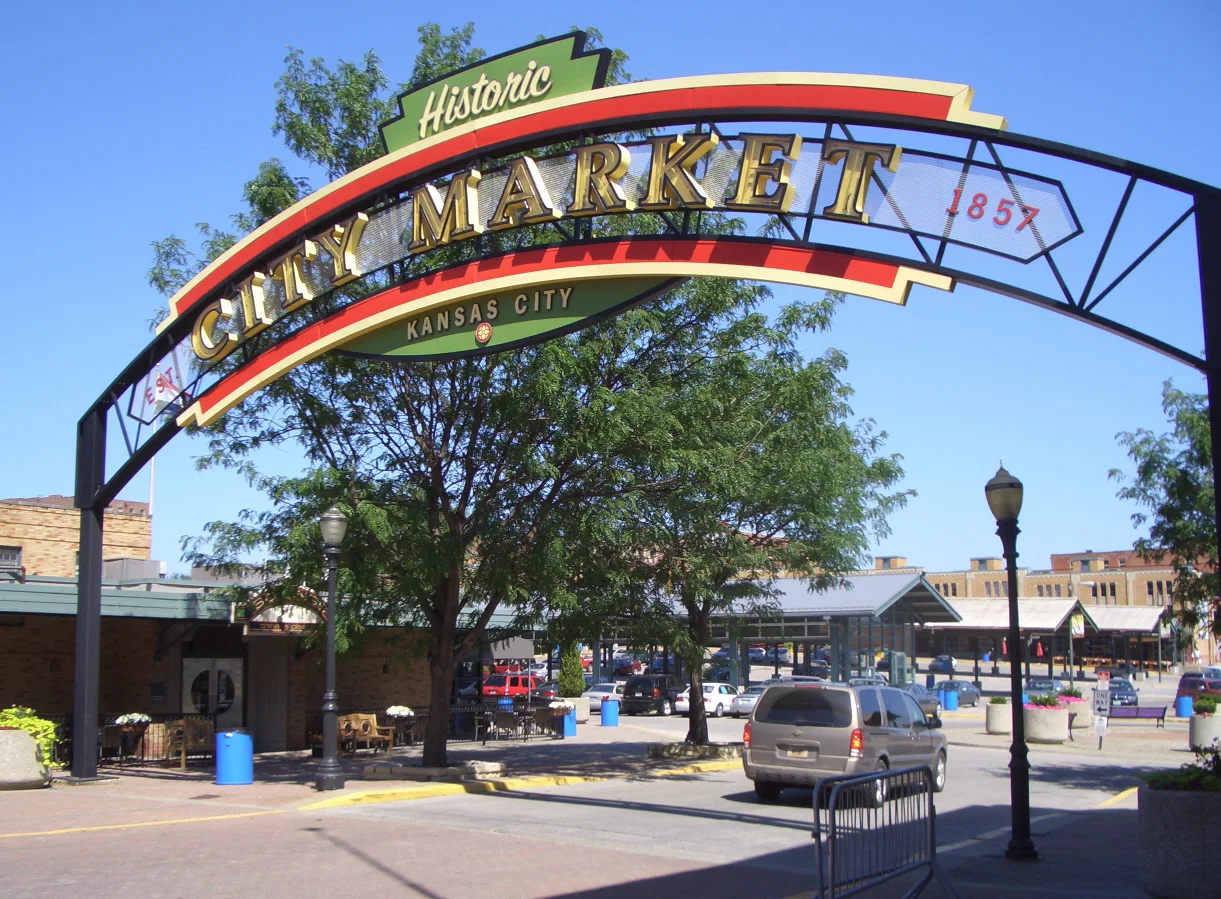
River Market Kansas City MO changes the brief by changing how people move through the district.
That means Embassy Suites by Hilton Kansas City Overland Park, River Market Kansas City MO, and Trade Show AV and Technical Production need to account for walkability, dining, and event density.
The result is better when Johnson County adds a major suburban convention option pressure is managed with district-specific assumptions instead of a citywide average.
First pass
What we focus on
- Read the neighborhood before the truck schedule is fixed.
- Use walkability and dining to support the event day.
- Keep the district’s traffic pattern in the brief.
- Treat venue density as an operational input.
- Write the access plan for the actual block, not the map pin.
River Market Kansas City MO — what the area looks like for events
The mo is part of the Kansas City event market.
Production for the mo shows starts with the same brief we run for the rest of Kansas City: venue specifics, show dates, footprint, outcome. Freight paths and local vendor availability are the variables that shift from the city core.
The Kansas City event landscape
a 70,000-square-foot clear-span exhibition hall, 11,000 square feet of meeting space, and a location five minutes from MCI Airport.
Visit Kansas City Kansas includes Memorial Hall and James P. Davis Hall in its meetings and groups venue inventory, which expands the market beyond the Missouri-side convention district.
How we're built to run your project
The difference from a national vendor shows up at the dock.
Over a multi-show calendar, the compound value of a single team shows up in fewer surprises. The second install is faster than the first, the third is faster than the second, and by the fourth the project runs on memory and documentation rather than first-principles planning.
The buildings that host Kansas City events
Kansas City Convention Center is the primary Downtown convention campus, covering trade shows, conferences, ballroom programs, and citywide event infrastructure in the Kansas City core.
Bartle Hall anchors the Kansas City Convention Center campus and carries the heaviest trade show, expo, and citywide convention move-ins Downtown.
How Kansas City floor operations work
Labor in Kansas City runs venue-by-venue, not citywide.
The facility has no contracts with any unions and has never experienced a strike, which supports careful language that Kansas City's main convention campus is not governed by a single blanket union-only rule.
What's included in the project scope
Projects in the mo typically include design work, fabrication or rental sourcing, graphics production, show-service paperwork, freight, install, show-hours coverage, and strike.
Scope boundary is as important as scope inclusion.
How a project runs
Everything downstream hinges on those answers.
Venue coordination comes next.
With venue details locked, production runs.
The install phase has one owner on the floor.
During show hours, the booth is a live operating space.
What it costs and how fast it moves
The levers that matter: build path (custom, rental, or hybrid), footprint, venue service fees, graphics, freight, and supervision days. A 10x10 turnkey rental and a 30x50 custom island with a double deck are entirely different projects.
A clean schedule starts 4 to 5 months out for custom work and 2 to 3 months for rentals. Shorter lead times are workable but push rush premiums and limit material choices.
Outcomes we optimize for
Exhibitors who measure programs seriously track leads, floor-booked meetings, and post-show pipeline. The build and the install are upstream inputs to those KPIs.
Client teams sometimes want the booth to carry the pipeline on its own, but the best-performing programs treat the booth as a platform and put real operators on it. On-floor conversation discipline moves the KPIs more than any scenic decision.
Questions about River Market Kansas City MO
Do you work at Hy-Vee Arena?
Yes.
How does labor work in Kansas City?
It runs venue by venue.
How much lead time is ideal?
Custom builds run best with 16 to 20 weeks of lead time. Rentals take 8 to 12 weeks.
What information kicks off a project?
The show, the venue, the booth number, the dates, and a target budget range. From those, an initial scope and a realistic cost come back within a few days.
Who runs the booth on-site?
One named show-site lead runs the install, the show hours, and the strike. That person carries the floor plan and the punch list from crates to doors and reports up once a day.
Can the booth travel to the next city on our calendar?
Same structure, swappable graphics, standard crates.
What happens if something breaks during show hours?
The on-site lead handles it.