
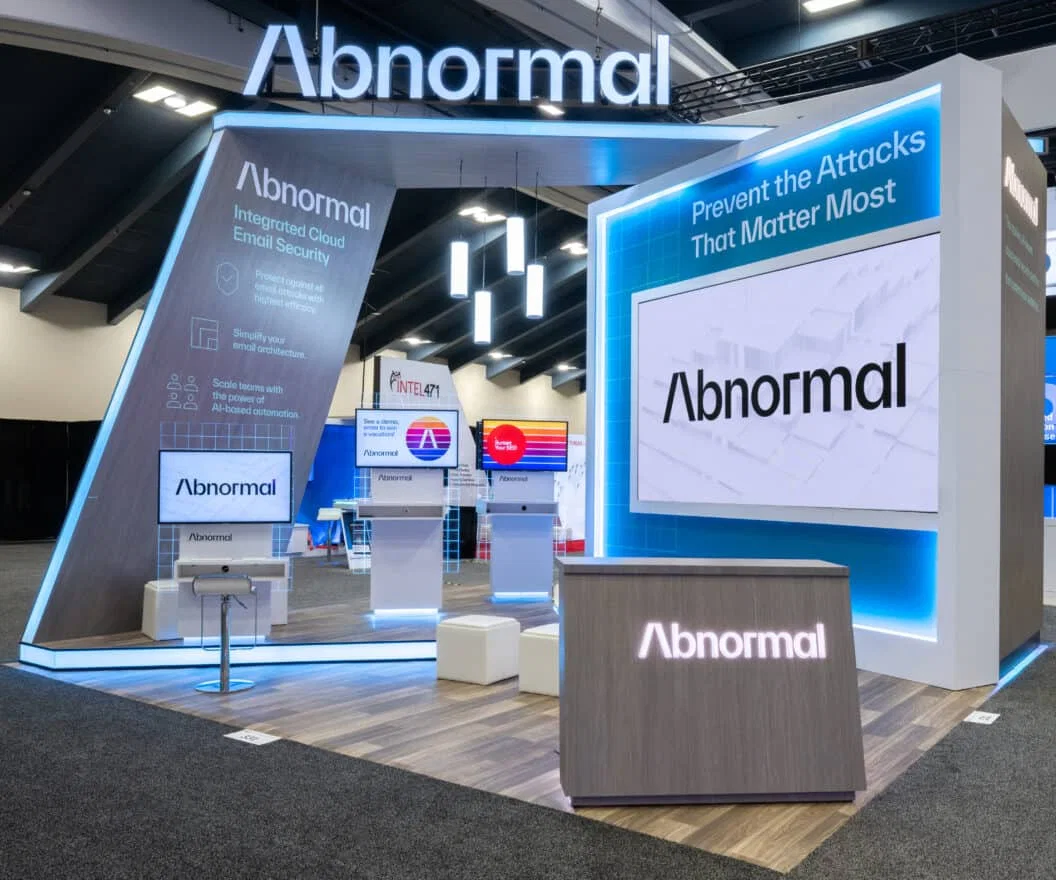
It only behaves well when the build, the freight window, and the on-site labor call are sequenced against each other instead of treated as separate purchase orders.
The brief that gets the cleanest result names the show, the venue, the dates, the booth footprint, and the outcome you want measured after closeout.
First pass
What we focus on
- Lock the shop calendar before fabrication starts.
- Sequence freight so the truck unloads in install order.
- Finish closeout the same day so the next Exhibitor Appointed Contractor Coordination engagement starts cleaner.
Kansas City as a trade show city
Trade shows in Kansas City move fast.
Scope gets tighter; standards don't.
The main Kansas City event areas
The Kansas Side Civic and Community Venue Band area runs through Kansas City, KS, Village West, Bonner Springs, Wyandotte County Lake.
Downtown Convention Core — Downtown Kansas City, Convention Center District, Power & Light District — is a different environment.
Kansas City labor and venue services
On most Kansas City shows, the labor plan takes one call with the venue's exhibitor services desk, one review of the current manual, and one email to the general contractor. Skipping any of those three is usually where problems start.
The facility has no contracts with any unions and has never experienced a strike, which supports careful language that Kansas City's main convention campus is not governed by a single blanket union-only rule.
Kansas City convention venues and meeting properties
A few Kansas City venues carry most of the calendar.
American Royal Complex, a historic Kansas City event venue with exhibit halls, arenas, and outdoor space, hosts one of the country's oldest and largest livestock and equestrian events.
Kansas City Convention Center is the primary Downtown convention campus, covering trade shows, conferences, ballroom programs, and citywide event infrastructure in the Kansas City core.
Bartle Hall anchors the Kansas City Convention Center campus and carries the heaviest trade show, expo, and citywide convention move-ins Downtown.
Line items on a typical project
Individual projects layer or remove items based on scope.
Out of scope by default are show organizer fees, booth lease costs paid directly to the show, staff travel and per diems, and any custom software or data-capture tooling the client runs on its own stack. Those stay on the client side and plug into the project through coordination, not rebilling.
The process from start to finish
Every project starts with a scope conversation: the show, the venue, the booth number, the dates, and the budget frame. Ten minutes of specifics produces a better plan than a week of generalities.
Once scope is clear, the venue work begins. Exhibitor manual, dock times, utility order IDs, rigging submissions for hanging elements, and labor calls all get locked against the venue's actual rules.
One named show-site lead runs the install. Not a rotating crew and not a remote account manager — one person holds the floor plan, the punch list, and the labor calls from crates to doors.
Show-hours coverage is part of every engagement — not a premium add-on. On-floor support keeps the booth running while the client team runs the pipeline.
That document drives the next booking.
Cost and lead time
An honest quote itemizes the variables. There is not a single price — there is a configuration.
On timing: custom builds for Kansas City shows run best with 16 to 20 weeks of lead time. Rental programs run on 8 to 12. Anything inside 4 weeks is a rush, which means fewer options and a premium on materials.
What a successful project looks like
A project runs well when install clears the venue's published window, all show services land as ordered, the booth performs across every show day without pulling the client team off pipeline work, and strike clears the dock before the next occupant loads in.
Trade show ROI is measured at the lead and pipeline level.
The post-show debrief is where the numbers get connected back to the physical booth. Which demo station drew traffic, which meeting area closed more conversations, which graphic zone attracted dwell time — that feedback shapes the next build rather than getting lost.
Why Trade Show Services of Kansas City
Trade Show Services of Kansas City is Kansas City's local trade show team, with in-house design, fabrication, graphics, and show-site crews. One shop, one point of contact, one accountable lead on every project.
Local fabrication means real-time problem-solving. A graphic that needs to be reprinted at 6 a.m. On install day is a same-morning fix, not a three-day shipping delay.
Questions about Exhibitor Appointed Contractor Coordination
Do you work at Crown Center Exhibit Hall?
Yes. Crown Center Exhibit Hall sits on the Crown Center / Pershing campus and handles mid-sized exhibitions, tabletop programs, and breakout-heavy meetings tied to the surrounding hotel block.
How does labor work in Kansas City?
It runs venue by venue. The convention-center sources document venue-controlled service categories: Smart City is the current exclusive internet and wi-fi provider, Aramark controls food and beverage and merchandise services, and the guide identifies exclusive electrical and rigging workflows.
How much lead time is ideal?
Custom builds run best with 16 to 20 weeks of lead time. Rentals take 8 to 12 weeks.
What information kicks off a project?
The show, the venue, the booth number, the dates, and a target budget range. From those, an initial scope and a realistic cost come back within a few days.
Who runs the booth on-site?
One named show-site lead runs the install, the show hours, and the strike. That person carries the floor plan and the punch list from crates to doors and reports up once a day.
Can the booth travel to the next city on our calendar?
Same structure, swappable graphics, standard crates.
What happens if something breaks during show hours?
The on-site lead handles it.