
It only behaves well when the build, the freight window, and the on-site labor call are sequenced against each other instead of treated as separate purchase orders.
The brief that gets the cleanest result names the show, the venue, the dates, the booth footprint, and the outcome you want measured after closeout.
First pass
What we focus on
- Write the approval chain before the first meeting.
- Translate milestones into a live schedule the field can actually follow.
- Keep stakeholder updates tied to one current version of the brief.
- Use the venue lead and the project lead as separate checkpoints, not one vague contact.
- Protect closeout so lessons from Show Site Project Management can carry into the next event.
Kansas City as a trade show city
Visit Kansas City Kansas includes Memorial Hall and James P. Davis Hall in its meetings and groups venue inventory, which expands the market beyond the Missouri-side convention district.
Union Station markets event rentals ranging from intimate dinners to receptions for 2,000-plus guests, which supports off-site sponsor, reception, and experiential positioning in the Crown Center corridor.
Where Kansas City shows cluster
Overland Park, Lenexa, Olathe, Leawood form the Johnson County Convention Strip cluster.
Northland and Airport Corridor — Kansas City North, Riverside, Parkville — is a different environment.
Who handles what during the Kansas City install window
The workable version of Kansas City labor planning is boring on purpose: read the manual, match the scope to its categories, order what the venue sells directly, and schedule everything else around its posted windows. Surprises almost always trace back to a step someone skipped.
The facility has no contracts with any unions and has never experienced a strike, which supports careful language that Kansas City's main convention campus is not governed by a single blanket union-only rule.
Where Kansas City shows actually happen
A few Kansas City venues carry most of the calendar.
T-Mobile Center is a 19,000-seat Downtown arena in the Power & Light District that hosts sporting events, concerts, and large-format corporate programs.
GEHA Field at Arrowhead Stadium, home of the Kansas City Chiefs and seating roughly 76,416, sits inside the Truman Sports Complex and opens its grounds to major corporate events, product launches, and branded activations.
What's included in the project scope
Project scope usually spans design, fabrication, graphics, AV, labor coordination, freight, install, show-hours support, and strike.
Individual projects layer or remove items based on scope.
A bad one has many, because they weren't.
Those run alongside the engagement rather than inside it.
From first call to strike
Everything downstream hinges on those answers.
Venue coordination comes next.
With venue details locked, production runs.
The install phase has one owner on the floor.
During show hours, the booth is a live operating space.
Cost and lead time
The levers that matter: build path (custom, rental, or hybrid), footprint, venue service fees, graphics, freight, and supervision days. A 10x10 turnkey rental and a 30x50 custom island with a double deck are entirely different projects.
A clean schedule starts 4 to 5 months out for custom work and 2 to 3 months for rentals. Shorter lead times are workable but push rush premiums and limit material choices.
What a successful project looks like
Exhibitors who measure programs seriously track leads, floor-booked meetings, and post-show pipeline. The build and the install are upstream inputs to those KPIs.
Client teams sometimes want the booth to carry the pipeline on its own, but the best-performing programs treat the booth as a platform and put real operators on it. On-floor conversation discipline moves the KPIs more than any scenic decision.
Why Trade Show Services of Kansas City
The difference from a national vendor shows up at the dock.
Over a multi-show calendar, the compound value of a single team shows up in fewer surprises. The second install is faster than the first, the third is faster than the second, and by the fourth the project runs on memory and documentation rather than first-principles planning.
Questions about Show Site Project Management
Do you work at the Museum at Prairiefire?
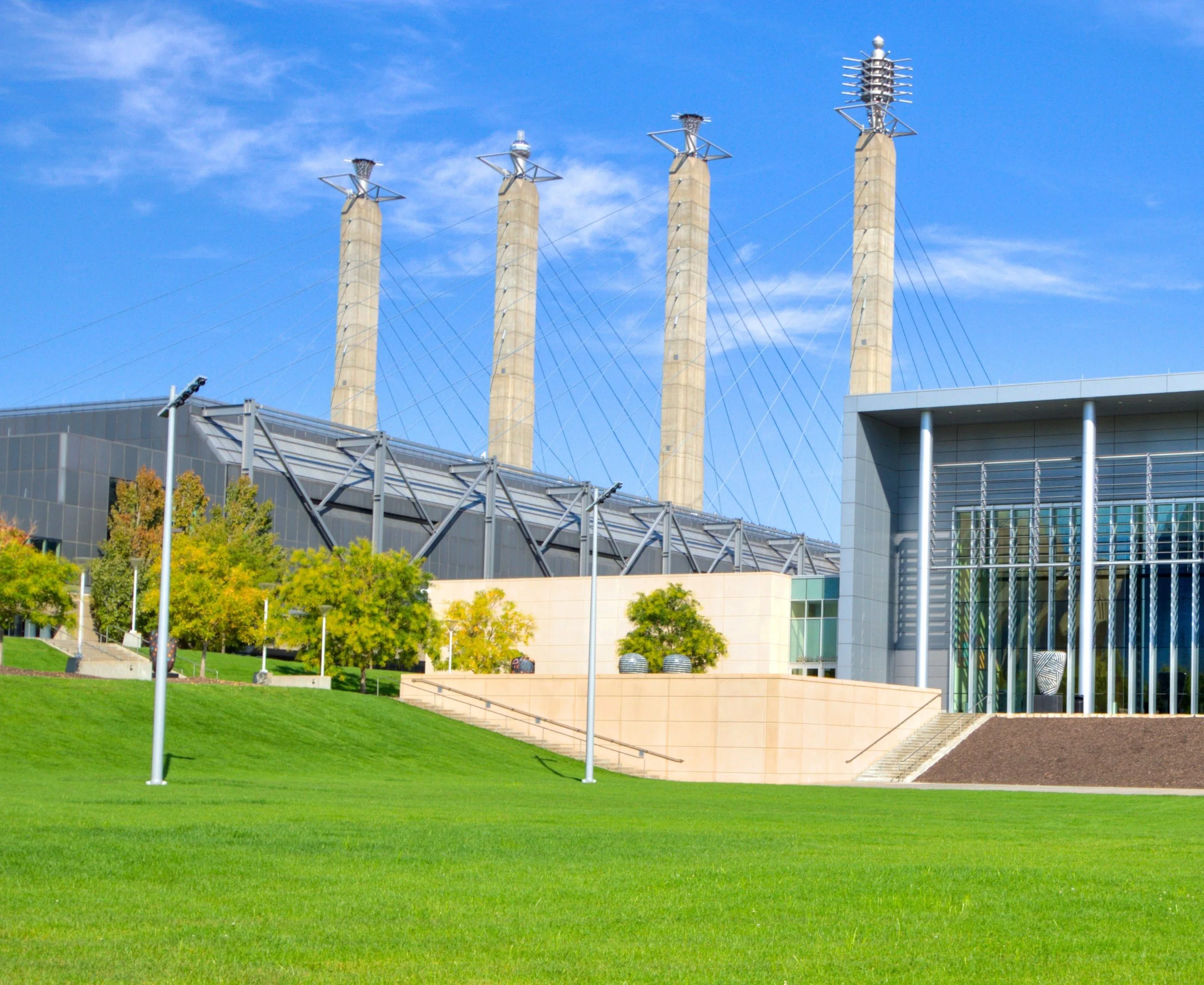
Yes. The Museum at Prairiefire is a South Johnson County venue with gallery and event space that suits receptions, brand activations, and small conference programs.
How does labor work in Kansas City?
It runs venue by venue. The convention-center sources document venue-controlled service categories: Smart City is the current exclusive internet and wi-fi provider, Aramark controls food and beverage and merchandise services, and the guide identifies exclusive electrical and rigging workflows.
How much lead time is ideal?
Custom builds run best with 16 to 20 weeks of lead time. Rentals take 8 to 12 weeks.
What information kicks off a project?
The show, the venue, the booth number, the dates, and a target budget range. From those, an initial scope and a realistic cost come back within a few days.
Who runs the booth on-site?
One named show-site lead runs the install, the show hours, and the strike. That person carries the floor plan and the punch list from crates to doors and reports up once a day.
Can the booth travel to the next city on our calendar?
Same structure, swappable graphics, standard crates.
What happens if something breaks during show hours?
The on-site lead handles it.