
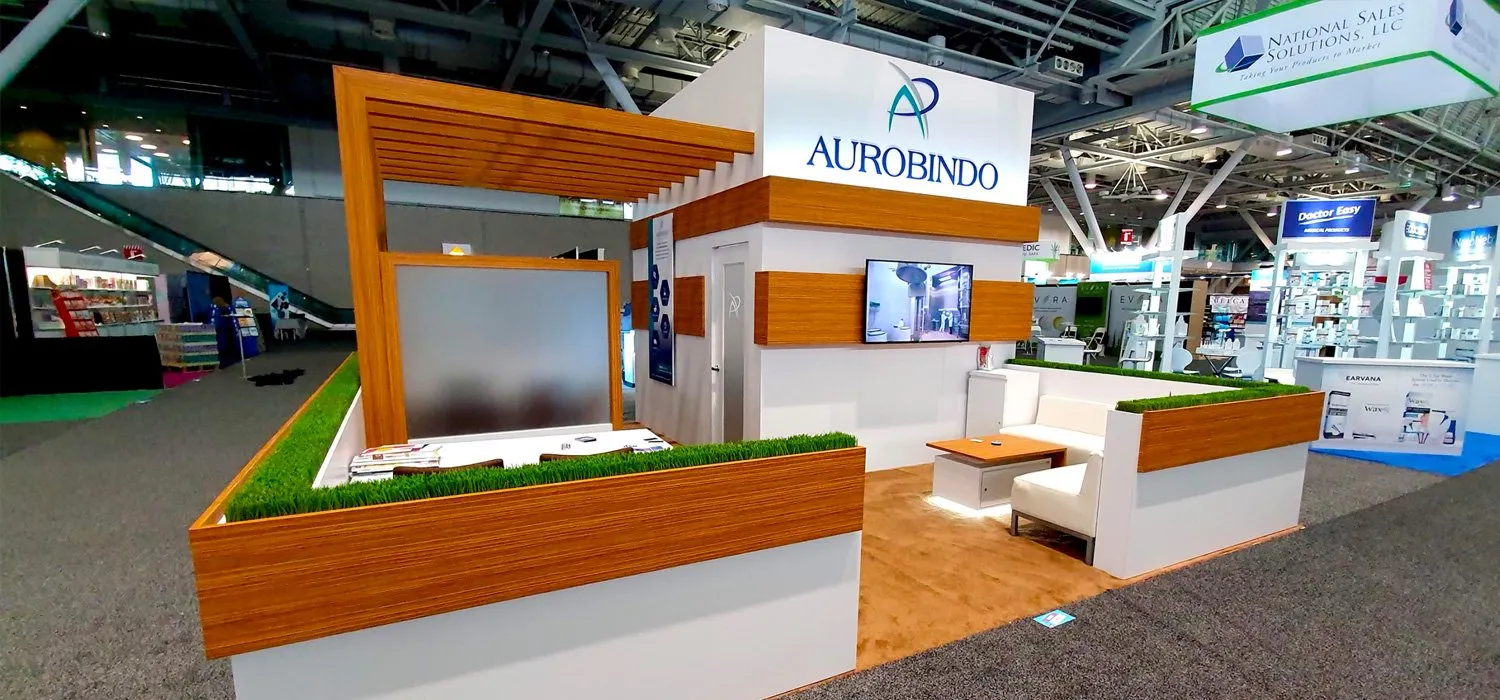
The point of Exhibit Fabrication and Production is to make the exhibit cleaner in the shop so it behaves better on the floor.
That only works when the Museum at Prairiefire, Crossroads Arts District Kansas City MO, and the production are all accounted for before the final assembly starts.
When the process is disciplined, Johnson County adds a major suburban convention option pressure turns into a quality check instead of a crisis.
First pass
What we focus on
- Lock the shop timeline before materials are cut.
- Verify fit, finish, and mockups before approval.
- Pack the build so the truck order matches the install order.
- Keep damage checks and repair notes attached to the asset list.
- Use the final QA pass to protect the next show, not simply the current one.
What drives the Kansas City calendar
Kansas City runs one of the busiest trade show calendars in the region. Convention weeks stack close together, hotel blocks compete for the same nights, and the venues themselves shape what is possible on the floor.
Scope gets tighter; standards don't.
Kansas City Convention Center's current FAQ and client guide document exhibitor services, freight rules, exclusive internet and utility workflows, and show-floor labor practices, which indicates a mature convention infrastructure rather than a generic ballroom market.
The buildings that host Kansas City events
Different Kansas City venues mean different floor plans, different labor rules, and different freight realities.
Crowne Plaza Kansas City Downtown is a Downtown business hotel with upper-floor ballroom and boardroom inventory positioned for conference overflow and meeting programs near the convention center.
How Kansas City floor operations work
Labor in Kansas City runs venue-by-venue, not citywide. Each building publishes its own rules for who handles what on the floor.
The convention-center sources document venue-controlled service categories: Smart City is the current exclusive internet and wi-fi provider, Aramark controls food and beverage and merchandise services, and the guide identifies exclusive electrical and rigging workflows.
Kansas City neighborhoods and event districts
Kansas Side Civic and Community Venue Band covers Kansas City, KS, Village West, Bonner Springs, Wyandotte County Lake.
Downtown Convention Core runs across Downtown Kansas City, Convention Center District, Power & Light District.
Line items on a typical project
For programs that repeat, asset management becomes part of the engagement — storage, graphic rotation, refurbishment, and re-crating are planned rather than one-off.
Out of scope by default are show organizer fees, booth lease costs paid directly to the show, staff travel and per diems, and any custom software or data-capture tooling the client runs on its own stack. Those stay on the client side and plug into the project through coordination, not rebilling.
How a project runs
Every project starts with a scope conversation: the show, the venue, the booth number, the dates, and the budget frame. Ten minutes of specifics produces a better plan than a week of generalities.
Once scope is clear, the venue work begins.
One named show-site lead runs the install. Not a rotating crew and not a remote account manager — one person holds the floor plan, the punch list, and the labor calls from crates to doors.
That document drives the next booking.
What it costs and how fast it moves
Cost scales with how it is built, how big it is, what the venue charges for its own services, what the graphics look like, how far the crates travel, and how many days the team stays on-site.
On timing: custom builds for Kansas City shows run best with 16 to 20 weeks of lead time. Rental programs run on 8 to 12. Anything inside 4 weeks is a rush, which means fewer options and a premium on materials.
How project performance gets measured
Trade show ROI is measured at the lead and pipeline level.
The post-show debrief is where the numbers get connected back to the physical booth. Which demo station drew traffic, which meeting area closed more conversations, which graphic zone attracted dwell time — that feedback shapes the next build rather than getting lost.
How we're built to run your project
Trade Show Services of Kansas City is Kansas City's local trade show team, with in-house design, fabrication, graphics, and show-site crews. One shop, one point of contact, one accountable lead on every project.
Local fabrication means real-time problem-solving. A graphic that needs to be reprinted at 6 a.m.
Questions about Exhibit Fabrication and Production
Do you work at Loews Kansas City Hotel?
Yes. Loews Kansas City Hotel is a Downtown convention-class hotel with full ballroom and breakout inventory tied directly into the Bartle Hall stack.
How does labor work in Kansas City?
It runs venue by venue.
How much lead time is ideal?
Custom builds run best with 16 to 20 weeks of lead time. Rentals take 8 to 12 weeks.
What information kicks off a project?
The show, the venue, the booth number, the dates, and a target budget range. From those, an initial scope and a realistic cost come back within a few days.
Who runs the booth on-site?
One named show-site lead runs the install, the show hours, and the strike. That person carries the floor plan and the punch list from crates to doors and reports up once a day.
Can the booth travel to the next city on our calendar?
Same structure, swappable graphics, standard crates.
What happens if something breaks during show hours?
The on-site lead handles it.